
Fuel Management Best Practices for High-Consumption Businesses
For many South African industries, fuel is one of the most significant and consistent operational expenses. From logistics fleets and construction equipment to generators and

For many South African industries, fuel is one of the most significant and consistent operational expenses. From logistics fleets and construction equipment to generators and

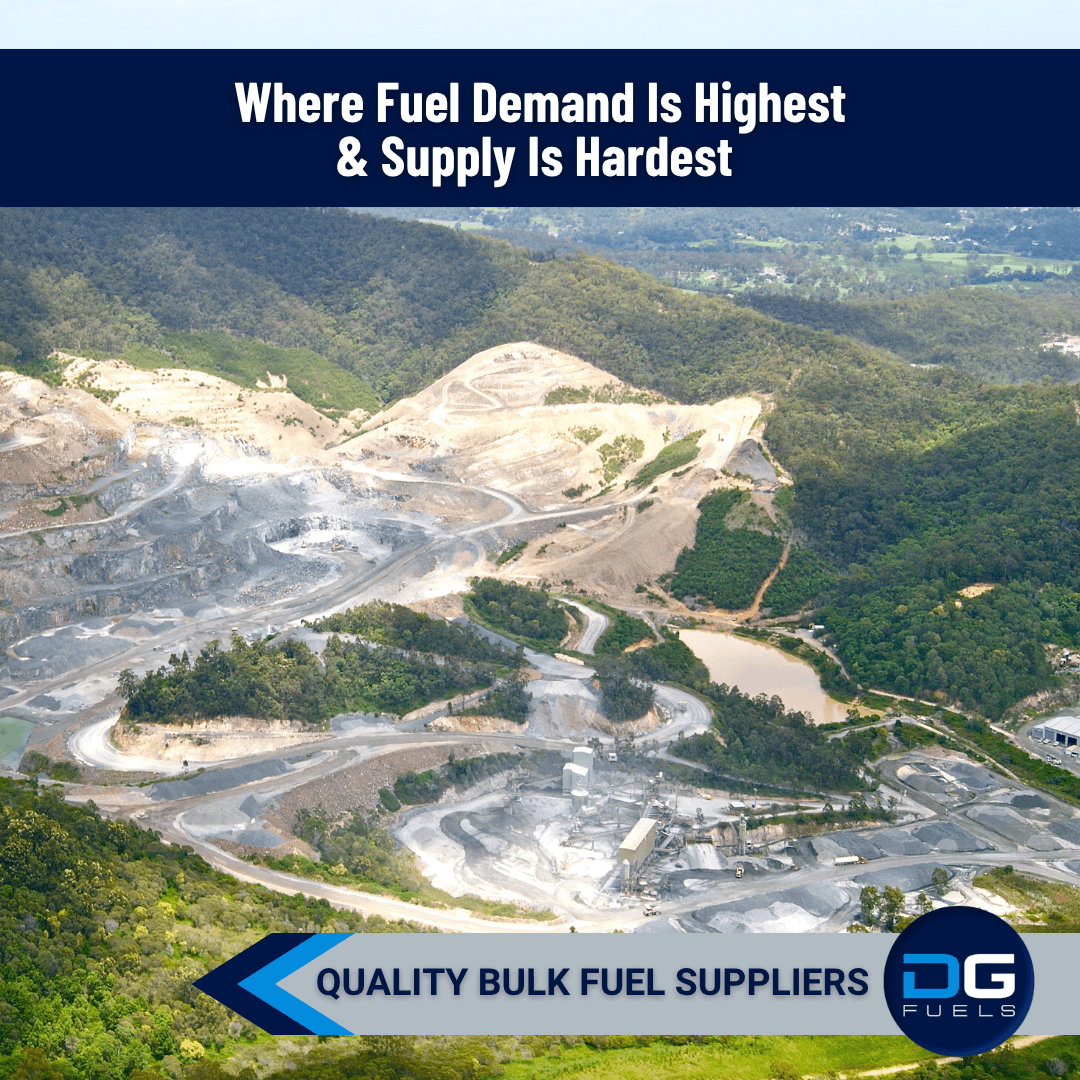
Remote and industrial operations often face a very different set of logistical realities compared to urban-based businesses. Construction sites, mining operations, and large-scale agricultural projects

Fuel is a critical component of many South African businesses, powering vehicles, generators, and machinery across industries. When operational demands increase, whether due to seasonal

Fuel plays a central role in the daily operations of many South African businesses. From transport fleets and construction equipment to generators and industrial machinery,

For many South African businesses, continuity planning is no longer a theoretical exercise. Ongoing infrastructure challenges, supply chain uncertainty, and rising operational risk mean organisations

Global energy markets remain highly volatile, shaped by geopolitical tensions, shifting trade routes, and unpredictable supply constraints. For South African businesses that rely on diesel

For many South African businesses, fuel is a major operational cost that affects daily planning and long-term profitability. While fuel pricing often feels unpredictable, it

Fuel is more than just an operational requirement; it is the lifeblood of many South African businesses. When supply falters, the consequences go far beyond

Fuel is often seen as a routine operational necessity, but for businesses that rely on diesel, petrol, or paraffin, it can be a key driver

Fuel keeps the wheels of the economy turning. From agriculture and logistics to mining and manufacturing, South Africa’s industries depend on a steady and affordable